Thames Road Slade Green carpet cleaning tips for homeowners
If you live on Thames Road in Slade Green, you already know carpets take a beating in a very ordinary, very British way: muddy shoes after a damp afternoon, a bit of tea on the landing, dog hair in the lounge, and the occasional "how did that get there?" stain that appears with no warning at all. These Thames Road Slade Green carpet cleaning tips for homeowners are designed to help you keep carpets cleaner for longer, without turning your weekend into a full-scale cleaning project. A little routine goes a long way, truth be told.
This guide walks through what works, what does not, and when it makes sense to bring in a professional service. You will find practical steps, prevention advice, a comparison of cleaning methods, a realistic checklist, and a few local-minded tips that actually suit busy homes rather than idealised ones.
Why Thames Road Slade Green carpet cleaning tips for homeowners Matters
Carpets do more than make a room look finished. They trap dust, soften sound, improve comfort underfoot, and help a home feel calm rather than echoey and bare. But they also hold onto grit, crumbs, allergens, pet hair, and whatever the day has brought in on shoes. On a road like Thames Road, where family life, commuting, pets, and everyday foot traffic all mix together, carpet care is less about perfection and more about staying ahead of build-up.
Small problems become bigger ones if you leave them. A fresh spill is much easier to deal with than a stain that has dried, been walked over, and rubbed deeper into the fibres. The same goes for odours. What starts as a faint smell from a pet accident or damp shoes can linger if the carpet backing stays moist too long. That is where good habits matter more than heroic efforts.
There is also the practical side. A well-maintained carpet tends to last longer, keep its appearance better, and need less aggressive cleaning over time. That means fewer surprises when you eventually need a deep clean. And let's face it, replacing fitted carpet is not cheap.
For homeowners who want a more thorough clean without guessing their way through the process, the main carpet cleaning service page at carpet cleaning in Slade Green is a useful place to start. It gives you a clearer picture of what a professional clean can achieve when domestic maintenance is not quite enough.
Expert summary: The best carpet care is usually a mix of prevention, quick response, regular vacuuming, and occasional deep cleaning. If you wait until a carpet looks obviously dirty, it often already needs more work than you expected.
How Thames Road Slade Green carpet cleaning tips for homeowners Works
At home, carpet cleaning is really a sequence of sensible actions rather than one magic trick. You remove loose dirt first, treat spills before they set, use the right amount of moisture, and then allow the carpet to dry properly. Miss one of those steps and the result can be patchy at best, or worse, a cleaned-looking carpet that still smells stale a day later. Not ideal.
Most household carpet care falls into three layers:
- Daily or weekly upkeep: vacuuming, spot lifting crumbs, and dealing with light soil before it settles.
- Targeted stain treatment: blotting spills, using suitable cleaning solutions, and avoiding harsh scrubbing.
- Deep cleaning: hot water extraction, steam-based methods, low-moisture cleaning, or a professional visit when the carpet needs more than surface care.
In a real home, these layers overlap. You might vacuum on Saturday morning, clean a juice spill on Sunday, and schedule a deeper clean after winter when mud, rain, and sealed windows have all done their bit. That rhythm is usually more effective than trying to scrub the carpet into submission all at once.
When homeowners ask what professional cleaning does differently, the answer is usually controlled chemistry, stronger extraction, and better drying management. A professional deep clean is not simply "more soap". In good hands, it is less soap, better tools, and more careful moisture control. If you are weighing up methods, a dedicated steam carpet cleaning option can be especially useful for general refreshes and embedded dirt, provided the carpet fibre and backing are suitable for that method.
Key Benefits and Practical Advantages
Good carpet care gives you benefits you can see, and a few you notice only after a while. The room feels fresher. The pile springs back a little better. The house smells less "lived in" in that slightly dusty way most of us know too well. And the whole place just feels more looked after.
- Better appearance: regular cleaning helps carpets hold their colour and texture.
- Less wear in traffic paths: grit acts like fine sandpaper underfoot, so removing it matters.
- Improved indoor comfort: carpets can trap dust and crumbs, but cleaning helps control the build-up.
- Odour reduction: especially useful in homes with pets, young children, or moisture issues.
- Longer carpet life: when dirt does not settle deeply, fibres usually recover better.
- Better day-to-day living: a clean floor changes how a room feels, even if nobody can quite explain why.
There is another practical advantage that often gets overlooked: confidence. If you know how to deal with a spill quickly, you stop panicking the moment something lands on the rug. That alone is worth learning a few solid techniques.
For stubborn marks, remember that not every stain is the same. Food colouring, mud, pet accidents, oil, and ink all behave differently. A smarter approach is to match the method to the stain. If you need more targeted help, the stain removal service page can be helpful for understanding when a specialist treatment makes more sense than another round of DIY guessing.
Who This Is For and When It Makes Sense
These tips are for homeowners who want to stay on top of carpet care without turning the house upside down. If your home on Thames Road includes children, pets, frequent visitors, or a busy hallway that seems to attract half the garden, this is especially relevant. To be fair, most carpets in family homes do not need constant professional intervention. They do need a bit of routine, though.
You will probably benefit most if you:
- have fitted carpets in living rooms, hallways, stairs, or bedrooms;
- want to keep carpets looking tidy between deeper cleans;
- have dealt with recurring stains or pet odours;
- are preparing to move house, host guests, or refresh a room after winter;
- prefer practical maintenance over reactive cleaning panic.
Sometimes it makes sense to clean immediately. Sometimes it makes sense to pause. If a stain is still wet, blot first and avoid overworking it. If a carpet smells damp or feels soggy, drying becomes the priority before anything else. If the damage is heavy or repeated, a professional clean may be the most sensible option. That is not giving up. It is just being realistic.
Homes with upholstered furniture nearby can also benefit from wider fabric care. A sofa or armchair can release dust back onto a freshly cleaned carpet if the surrounding textiles are overdue for attention. In that case, it may be worth looking at upholstery cleaning as part of the wider refresh.
Step-by-Step Guidance
Here is a straightforward routine that works well for most homes. No drama, no overcomplication.
1. Remove loose debris first
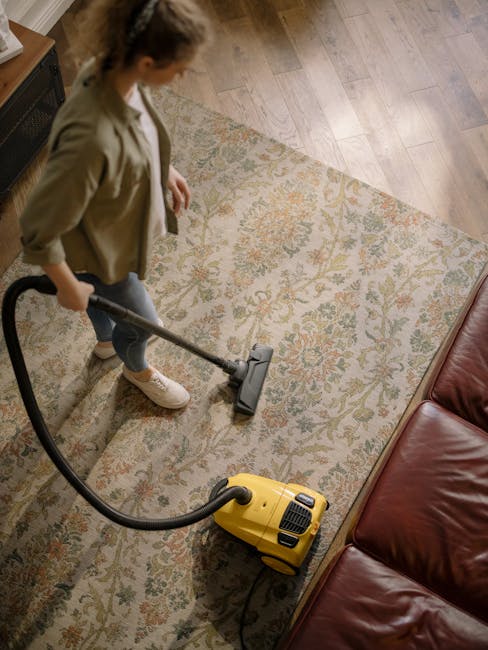
Start by vacuuming slowly and methodically. Quick passes miss a lot. Go over high-traffic areas more than once, and use the edges, corners, and under-furniture areas where dust settles quietly and then acts innocent.
2. Deal with fresh spills straight away
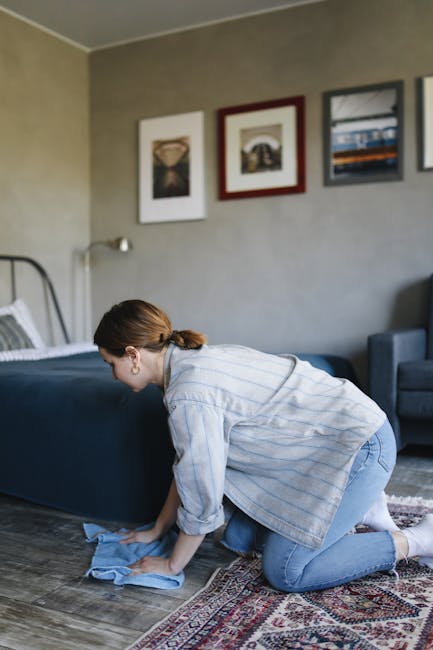
Use a clean white cloth or paper towel and blot from the outside of the spill inward. Do not rub. Rubbing spreads the liquid and can fray the fibres. If it is a food or drink spill, use a tiny amount of suitable carpet-safe solution after blotting, then blot again with plain water and dry cloths.
3. Test any product in a hidden spot
Always check a small, tucked-away area first. This matters even with products labelled for carpets. Different fibres, dyes, and backings can react differently. It takes an extra minute. Saves a lot of regret.
4. Apply moisture sparingly
Wet carpets are slow carpets. Use only enough liquid to treat the stain or clean the patch. Too much moisture can push dirt deeper or leave the backing damp for hours. That is when smells and wicking stains tend to appear later, usually just after you thought the job was done.
5. Lift, rinse, and dry properly
Once the mark is treated, lift residue with a clean towel. If needed, lightly rinse with a damp cloth, then dry thoroughly using airflow and open windows where practical. A fan can help. Heat alone is not the answer, and too much heat can set some stains.
6. Refresh the whole room when needed
After a deep clean, move lighter furniture if it is safe to do so, and allow the carpet to dry fully before replacing rugs or walking across it heavily. A room can look spotless and still be too damp to treat like normal. A bit of patience here pays off.
If you are considering a deeper refresh rather than just spot treatment, it may help to compare general cleaning with the more focused steam carpet cleaning approach, particularly for busy family areas and stairs.
Expert Tips for Better Results
Some of the best results come from small habits rather than big clean-ups. Honestly, that is usually how domestic maintenance works.
- Vacuum before the carpet looks dirty. By the time it looks dull, grit has often already settled in.
- Use doormats at entrances. On a wet Thames Road day, they make a bigger difference than people think.
- Rotate rugs and furniture where practical. This helps wear spread more evenly.
- Lift stains, don't grind them in. Even a soft brush can be too much if you get enthusiastic.
- Work in small sections. Trying to clean an entire room in one sprint often leads to patchy drying.
- Control airflow. Good drying is as important as cleaning itself.
- Be careful with deodorising powders. Handy in moderation, yes, but overuse can build up in the pile.
One thing homeowners often overlook is the source of repeated marks. If the same stain keeps coming back, the cause may be underneath the visible surface. Wicking from the underlay, pet urine penetration, or old spill residue can all resurface after cleaning. That is where a proper assessment matters more than another bottle from the cupboard.
And if your carpets are part of a wider home refresh, including curtains or rugs, a broader fabric care plan can be sensible. The same dust that settles on carpets also lands on nearby soft furnishings. For a coordinated approach, look at curtain cleaning and rug cleaning as part of the same seasonal reset.
Common Mistakes to Avoid
Most carpet problems come from doing the right thing the wrong way. It happens.
- Scrubbing too hard: this can damage fibres and spread stains wider.
- Using too much water: over-wetting can cause lingering damp, smell, or brown tide marks.
- Skipping the test patch: a small colour run is a lot less fun than it sounds.
- Using random products together: mixing chemicals is risky and rarely makes cleaning better.
- Ignoring dry time: walking on a damp carpet can re-soil it almost immediately.
- Letting a stain sit for days: the longer it stays, the more work you create for yourself later.
- Forgetting the underlying cause: repeated stains can mean pets, leaks, or high traffic patterns need a different fix.
A common one, and I say this kindly, is assuming every stain should disappear with the same method because the internet said so. Carpet fibres are not all the same. A wool blend does not behave like synthetic pile, and a staircase landing does not wear like a spare bedroom. You need to match the method to the material and the mess.
Tools, Resources and Recommendations
You do not need a cupboard full of specialist gear to keep carpets in decent shape. A few reliable basics are enough for most homes.
- Vacuum cleaner with strong suction: ideally with an adjustable head for pile depth.
- White microfibre cloths: good for blotting without transferring dye.
- Soft brush: useful for lifting surface debris gently, but use it lightly.
- Carpet-safe spot cleaner: always check compatibility with your carpet type.
- Bucket of clean water: for controlled rinsing when needed.
- Dry towels: for pulling out moisture after treatment.
- Fan or open-window airflow: helps the room return to normal faster.
If you are planning a deeper seasonal clean, it may help to think beyond the floor. A living room with cleaned carpet and dusty sofa cushions still feels half-done. That is why sofa cleaning can be a practical add-on, especially in family homes where the furniture and carpet work as one surface from a dirt point of view.
For homeowners wanting a proper professional clean, it is sensible to check how a company handles safety, insurance, and payment. Those details are not glamorous, but they matter. A trustworthy provider should be clear about the work process, the materials used, and what is included. You can usually learn a lot from their insurance and safety and payment and security information before you book anything.
Law, Compliance and Best Practice
For homeowners, carpet cleaning is mostly about safety, sensible product use, and care for the property. There is no need to overcomplicate it, but a few best-practice points are worth keeping in mind.
First, always follow the instructions on cleaning products. If something is marked for a specific fibre type or requires dilution, respect that. Using a stronger mix does not mean better results. Usually it means residue, sticky fibres, or unhappy colour.
Second, ventilation matters. When cleaning indoors, make sure the space can air properly. That is especially important if you use any product with noticeable fumes or if the weather is damp and drying is slower than you expected.
Third, if a stain may involve bodily fluids, pet urine, mould, or significant damp, treat it carefully and avoid over-handling the area. In a home setting, the safest choice is often to clean gently, dry thoroughly, and seek professional help if the issue has spread into the backing or underlay. For pet-related accidents, the dedicated pet stain and odour removal page is a useful reference point when ordinary spot cleaning is not enough.
Fourth, any business or landlord-level expectations differ from normal homeowner routines, but the underlying principle stays the same: clean safely, document issues if needed, and avoid causing further damage. For family homes, "best practice" often just means careful, consistent habits. Nothing fancy. Just steady care.
Options, Methods, or Comparison Table
Not every carpet needs the same approach. A quick comparison helps make the choice clearer.
| Method | Best for | Advantages | Watch-outs |
|---|---|---|---|
| Regular vacuuming | Ongoing maintenance | Removes loose dirt and slows wear | Won't remove deep stains or odours |
| Spot cleaning | Fresh spills and small marks | Fast, targeted, affordable | Can spread stains if rubbed too hard |
| Low-moisture cleaning | Light refreshes and quicker drying | Useful for busy homes | May not lift heavy embedded soil |
| Steam or hot water extraction | Deep cleaning and general refresh | Strong soil removal, good for whole rooms | Needs drying time and correct carpet suitability |
| Professional stain treatment | Set-in or tricky stains | More chance of treating the cause properly | Results vary with stain age and fibre type |
If you are deciding between a DIY approach and a booked service, consider the age of the stain, the carpet material, and how much disruption you can tolerate. A quick spill on a synthetic hall carpet is one thing. An old mark on a wool lounge carpet is something else entirely.
For homes with larger floor areas or several rooms needing attention, checking the company's pricing and quotes information can help you compare your options more calmly. Sometimes the most cost-effective choice is not the cheapest one on paper, but the one that avoids repeat work.
Case Study or Real-World Example
Imagine a typical Thames Road family home in late autumn. Shoes come in wet from the pavement, a child drops a biscuit on the lounge carpet, and the dog shakes off half the garden by the back door. Nothing dramatic. Just normal life. After a few weeks, the hallway starts looking slightly grey in the traffic line, the lounge smells a bit stale after rain, and one small mark near the sofa becomes more noticeable than you remember.
The homeowner starts with the basics: slow vacuuming, edge cleaning, and a careful blot of the biscuit stain using a carpet-safe product. The fresh mark lifts fairly well, but the hallway still looks tired. Rather than keep rubbing the same patch, they schedule a deeper carpet clean, dry the rooms properly, and then add a couple of mats at the entrances. The result is not magical, but it is noticeable. The carpet looks brighter, the room feels fresher, and the wear pattern is less obvious.
That is usually how good carpet care works in real life. Not one dramatic intervention. A sequence of sensible choices. Small improvements stack up. A bit boring, maybe. Very effective, though.
Practical Checklist
Use this checklist before, during, or after cleaning a carpet at home.
- Vacuum slowly and thoroughly before treating any stain.
- Test any cleaning product in a hidden area first.
- Blot spills rather than rubbing them.
- Use only the minimum moisture needed.
- Ventilate the room during and after cleaning.
- Keep people and pets off the carpet until it is fully dry.
- Check whether a stain is returning through the pile after cleaning.
- Inspect traffic areas, stairs, and edges, not just the centre of the room.
- Consider whether rugs, sofas, or curtains also need attention.
- Call in a professional if the stain is old, widespread, or smells damp.
That final point matters. Sometimes the smartest move is not doing more; it is stopping at the right moment.
Conclusion
Home carpet care on Thames Road does not have to be complicated. The homes that stay fresher for longer usually follow the same simple pattern: vacuum well, treat spills quickly, avoid over-wetting, dry thoroughly, and book deeper cleaning before problems become obvious. The trick is consistency, not perfection.
Use these Thames Road Slade Green carpet cleaning tips for homeowners as a practical routine rather than a one-off guide. A little attention each week can save a lot of effort later, and it helps your home feel more comfortable day to day. That's the real win.
Get a free quote today and see how much you can save.
If you want to explore the people behind the service, take a look at the about us page, or review the company's terms and conditions before making any decisions. It is never a bad idea to know exactly what you are booking.
Frequently Asked Questions
How often should homeowners clean carpets in a busy household?
For most busy homes, vacuuming once or twice a week is a sensible baseline, with spot cleaning as needed and a deeper clean when the carpet starts looking dull or holding onto odours. Homes with pets or young children may need a little more attention. Not obsessively, just consistently.
What is the best first step when a spill happens on the carpet?
Blot it immediately with a clean white cloth or paper towel. Work from the outside in, and do not rub. Rubbing is one of those things that feels useful in the moment but usually makes the job worse.
Is steam carpet cleaning safe for all carpets?
No, not automatically. Some carpets cope well with steam or hot water extraction, while others need a gentler or lower-moisture method. Fibre type, age, backing, and previous treatments all matter. If you are unsure, ask before cleaning.
Why does a stain sometimes come back after cleaning?
That is often called wicking. Moisture pulls hidden residue up from deeper in the carpet or underlay as the area dries. It can happen if the carpet was over-wet or if the stain was deeper than it first appeared.
Can I use washing-up liquid on carpet stains?
You can, but it is not always the best choice. Household detergents can leave residue if used too heavily, and residue attracts dirt. If you use anything like that, keep it very diluted and remove it properly afterwards.
How do I remove pet smells from carpet?
Act quickly, dry the area thoroughly, and use a product suitable for pet accidents. If the smell has reached the underlay, surface cleaning may not be enough. In that case, a specialist pet treatment is usually more effective.
What should I avoid doing to a carpet stain?
Avoid scrubbing hard, using bleach unless the carpet manufacturer specifically allows it, soaking the area, or mixing cleaning products. Those mistakes can damage fibres or make the stain harder to remove later.
Are professional carpet cleaners worth it for homeowners?
Often, yes, especially for larger rooms, old stains, repeated traffic marks, or carpets that have not had a deep clean in a long time. A good professional clean can save time and usually gives a more even result than DIY alone.
How long does carpet take to dry after cleaning?
It depends on the method, airflow, humidity, and how much moisture was used. Some carpets dry in a few hours; others need longer. The safest approach is to plan for drying time and keep the room ventilated.
Can rugs and sofas affect how clean the carpet stays?
Yes, absolutely. Dust and debris from rugs, upholstery, and curtains can settle back onto a clean carpet. That is why coordinated fabric cleaning can help the room stay fresher for longer.
What is the difference between spot cleaning and deep cleaning?
Spot cleaning targets one mark or small area, while deep cleaning works through a larger section or the entire carpet to remove embedded soil and refresh the pile. They solve different problems, so it helps to know which one you actually need.
How do I know when it is time to stop DIY and call a professional?
If the stain is old, the smell keeps returning, the carpet is delicate, or the problem covers a wider area than you expected, it is time to step back. Sometimes the best home maintenance decision is simply calling in help before the issue gets bigger.